Portfolio
Learning experiences built with experts, for real audiences.
Real-world science programs, research turned into understanding, conservation learning, and courses redesigned so people actually finish them. Here is the work I'm most proud of.
Featured projects
Five projects that show how I work.
Each one shows what I love to do: take what experts know and turn it into learning people can use.

Real-world learning design
Odyssey Discovery: Real-World Learning Design
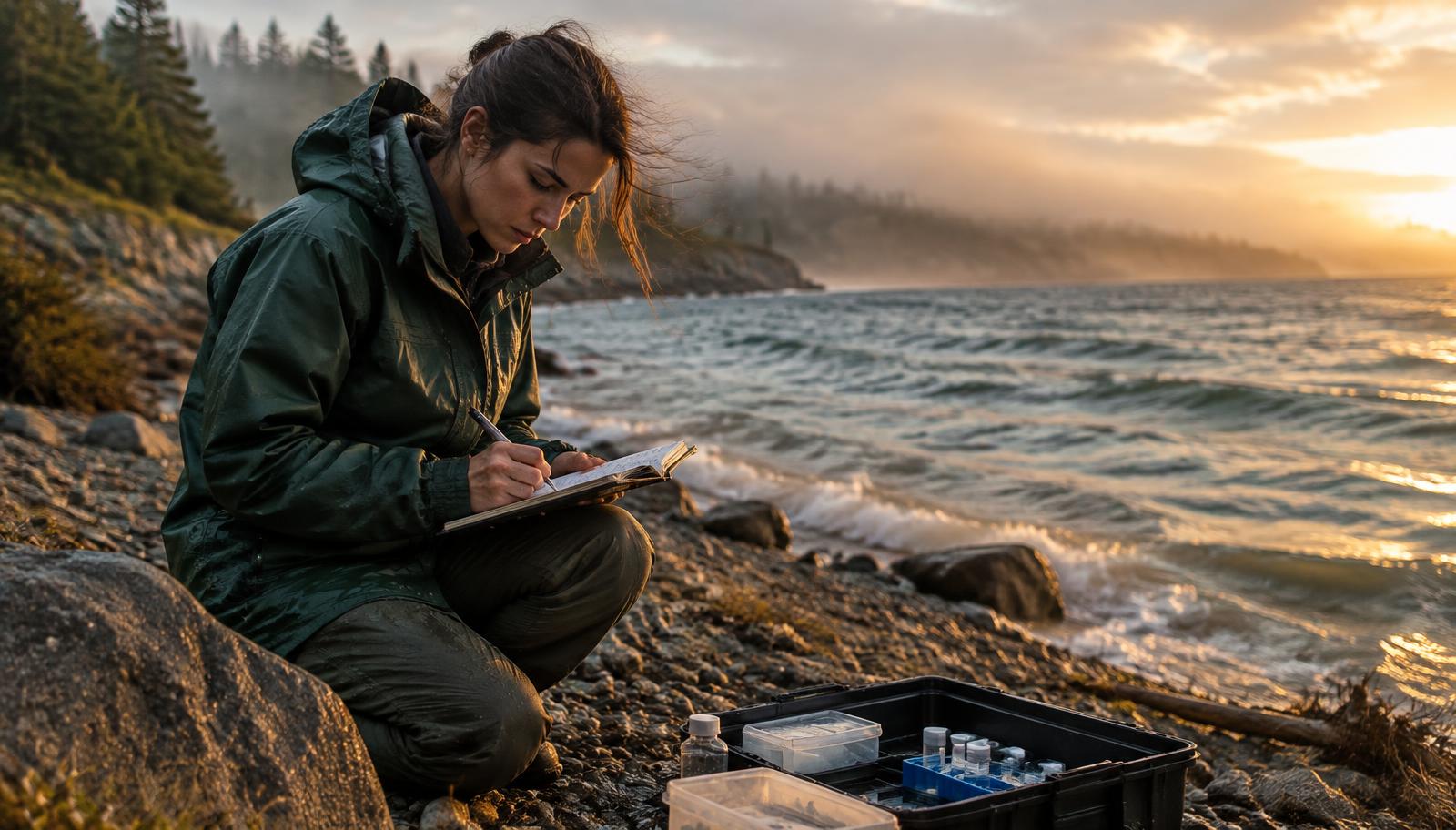
Programs that connect educators with scientists, researchers, and field experts. Field Notes: Explorer and Educator Expeditions turn active research into learning teachers can bring back to their students.
Shows: Working with experts, turning active science into learning, and building repeatable programs.

Science communication
Science Communication: Turning Research Into Understanding
A learning program that helps researchers and technical experts be understood by everyone else — practiced on their own real material.
Shows: Helping researchers explain their work clearly, without watering it down.

Conservation & environmental education
Conservation Learning Experience
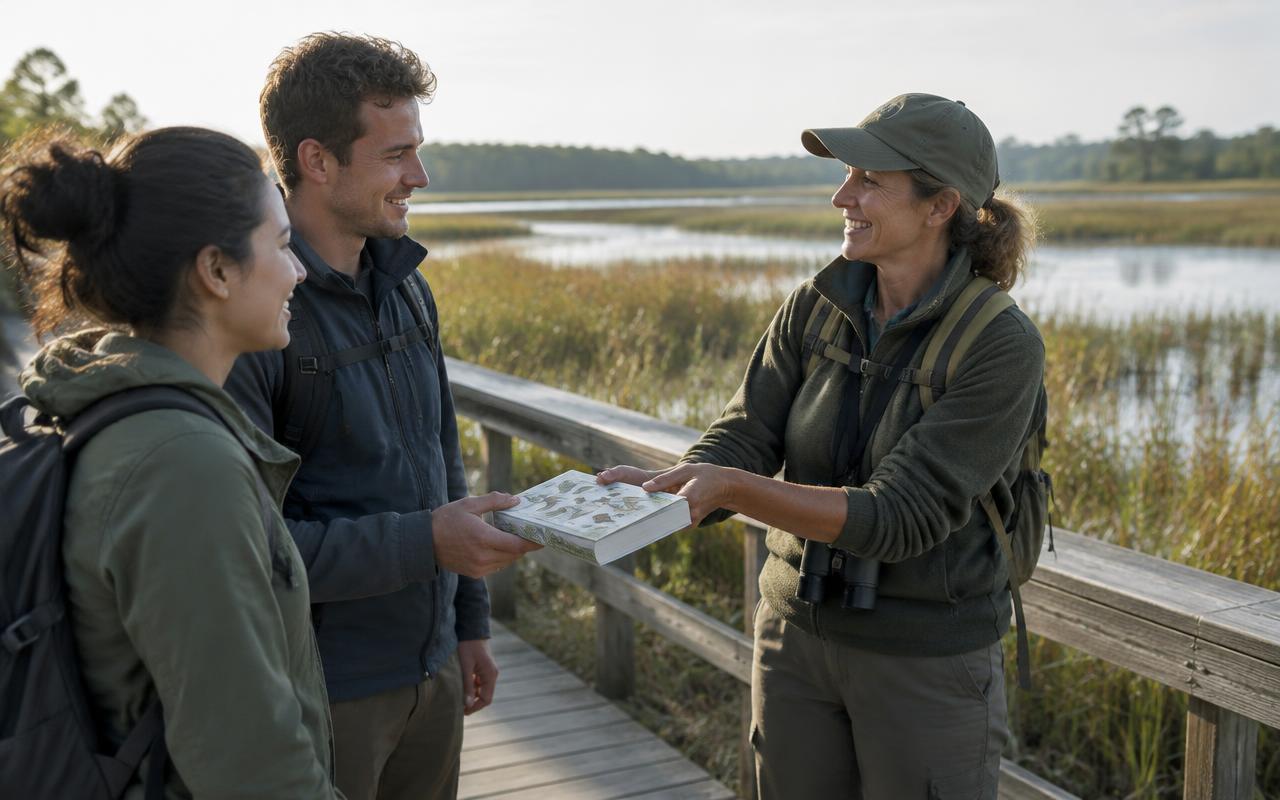
A place-based learning experience for a conservation site: field orientation, short moments tied to what visitors can see, and volunteer steward training.
Shows: Field-based learning, visitor engagement, and volunteer training.
Redesigning existing learning
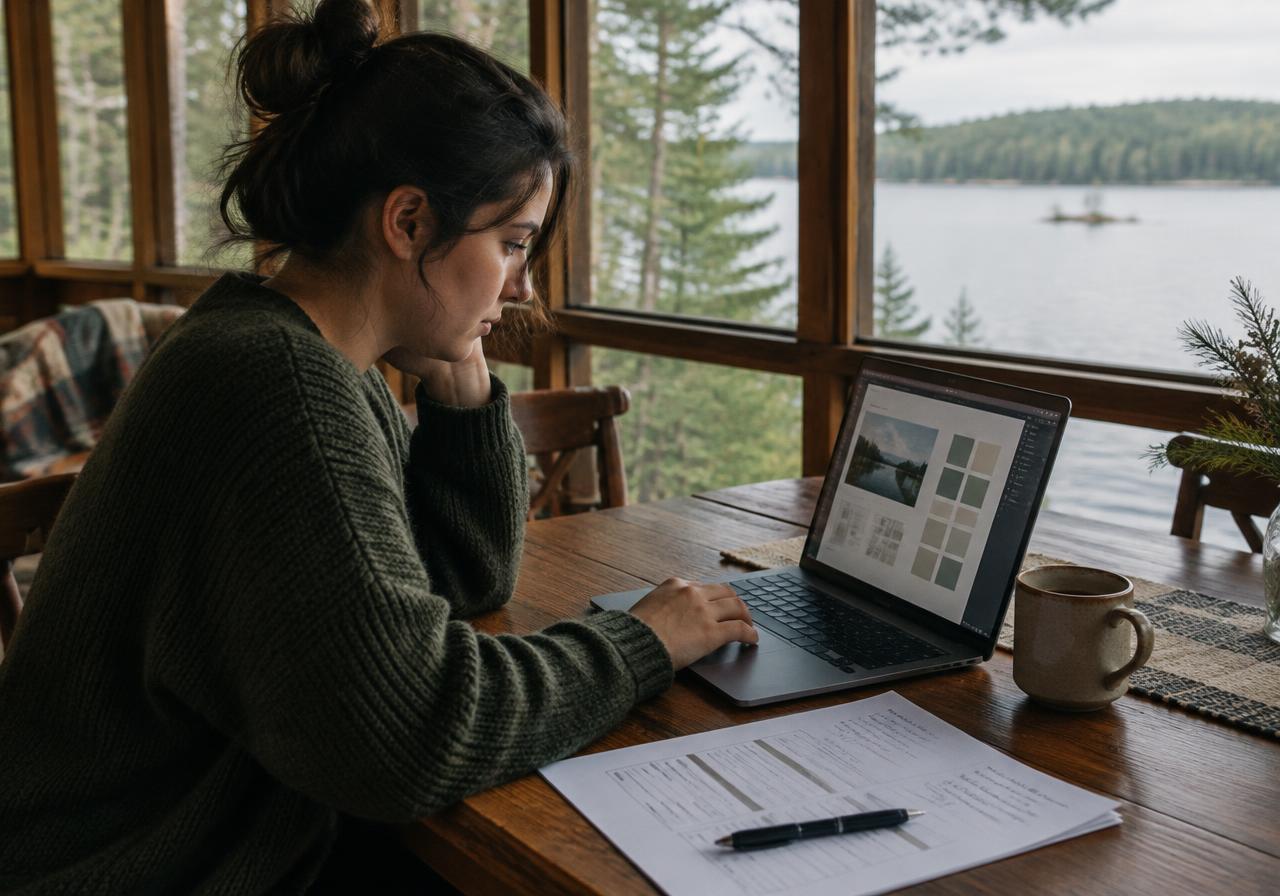
Online Learning Experience Redesign
A course library people stopped finishing — reviewed for structure, engagement, assessment, and accessibility, then redesigned with a clear plan for what to fix first.
Shows: Reviewing what exists and redesigning it to be clearer and more engaging.
Workplace learning
Employee Onboarding Experience
A guided first-week experience: an explorable workplace, real situations to practice, and a friendly check that new hires feel ready.
Shows: A welcoming, practical first week for new team members.
In development: learning for adaptive health, accessibility, and active living, shaped by my work on LIV Center for Adaptive Health.
Real work
Moodle LMS course design
Higher education instructional design and faculty support: partnering with subject matter experts to build, structure, and maintain online college courses in Moodle.
Course structure
Organized semester-length college courses into consistent weekly modules so learners always knew where they were, what was due, and what came next — the single largest driver of completion in online courses.
Module organization
Each module opened with objectives, moved through readings and media, then practice, then assessment. The same pattern repeated across the catalogue so navigation itself never became a cognitive load.
Learning activities
Discussion prompts designed for application rather than summary, guided practice with instructor feedback checkpoints, and low-stakes self-checks placed before graded work.
Assessments
Aligned assessment to stated objectives, replaced recall quizzes with applied tasks where appropriate, and worked with faculty on rubrics that made grading criteria visible to learners in advance.
Learner experience design
Consistent naming, predictable due-date patterns, accessible documents, and clear instructor presence — small structural decisions that reduce the questions learners have to ask before they can start.
Real work
Odyssey Discovery learning experience design
Designed and delivered science-based learning experiences and professional development for educators — connecting learners with scientists, researchers, and field experts through digital, place-based, and partnership-driven programs.
Read the full case studyEducator professional development
Designed and facilitated professional learning for teachers and informal educators, built around what participants would take back into their own classrooms the following week.
Science-based learning experiences
Translated field science and research content into hands-on learning experiences for learners of varied ages and backgrounds, keeping scientific accuracy intact while removing unnecessary technical language.
Curriculum design
Developed sequenced curriculum with clear objectives, aligned activities, and assessment that showed whether the intended understanding actually formed.
Virtual learning experiences
Adapted place-based programs into virtual and hybrid formats — restructuring pacing, interaction, and materials rather than simply moving sessions to video.
Partnership-based learning
Built programs in collaboration with schools, agencies, and community organizations, negotiating scope and outcomes so each partner's goals were served by the same learning design.
More learning experiences
Want to click through something?
A few original sample courses you can try yourself — built to show how I design practice, feedback, and interaction.
- Scrolling module with practice activitiesScience Communication TrainingTurning complex ideas into understandingView project
- Place-based scrolling experience with field interactionsConservation Learning ExperiencePlace-based stewardship training for visitors, volunteers, and seasonal staffView project
- Scrolling course with design activitiesDesigning Better Online LearningKirsten's signature course for faculty, trainers, and subject matter expertsView project
- Slide-based interactive courseEmployee Onboarding ExperienceA guided first-week experience for new corporate hiresView project
Project stories
The thinking behind the work.
Short write-ups of the situation, who it was for, what I designed, and how we'd know it worked.
- AI Enablement · Change ManagementAI Adoption Program for EmployeesTurning tool access into confident, responsible daily use.Read the story
- Customer Education · SaaSCustomer Education AcademyShortening time-to-value for a complex platform.Read the story
- Corporate L&D · Employee ExperienceEmployee Onboarding ExperienceGetting new hires productive and confident faster.Read the story
- Healthcare · ComplianceHealthcare Learning ExperienceMaking complex requirements understandable and actionable.Read the story
- Technical Communication · Knowledge TranslationScience Communication Learning ProgramHelping experts be understood without being diminished.Read the story
- Conservation · Environmental EducationConservation Learning ExperienceTurning a conservation challenge into something visitors act on.Read the story
- Learning Strategy · ConsultingOnline Learning Improvement AuditDiagnosing why a course library nobody finishes is failing.Read the story