Signature case study
Odyssey Discovery
Designing learning experiences that connect people with real-world science.
Odyssey Discovery is a learning experience platform designed to connect educators with scientists, researchers, and field experts through digital and immersive learning experiences. The work combines instructional design, science communication, experiential learning, and knowledge translation.
The challenge
Knowledge exists. Access to it does not.
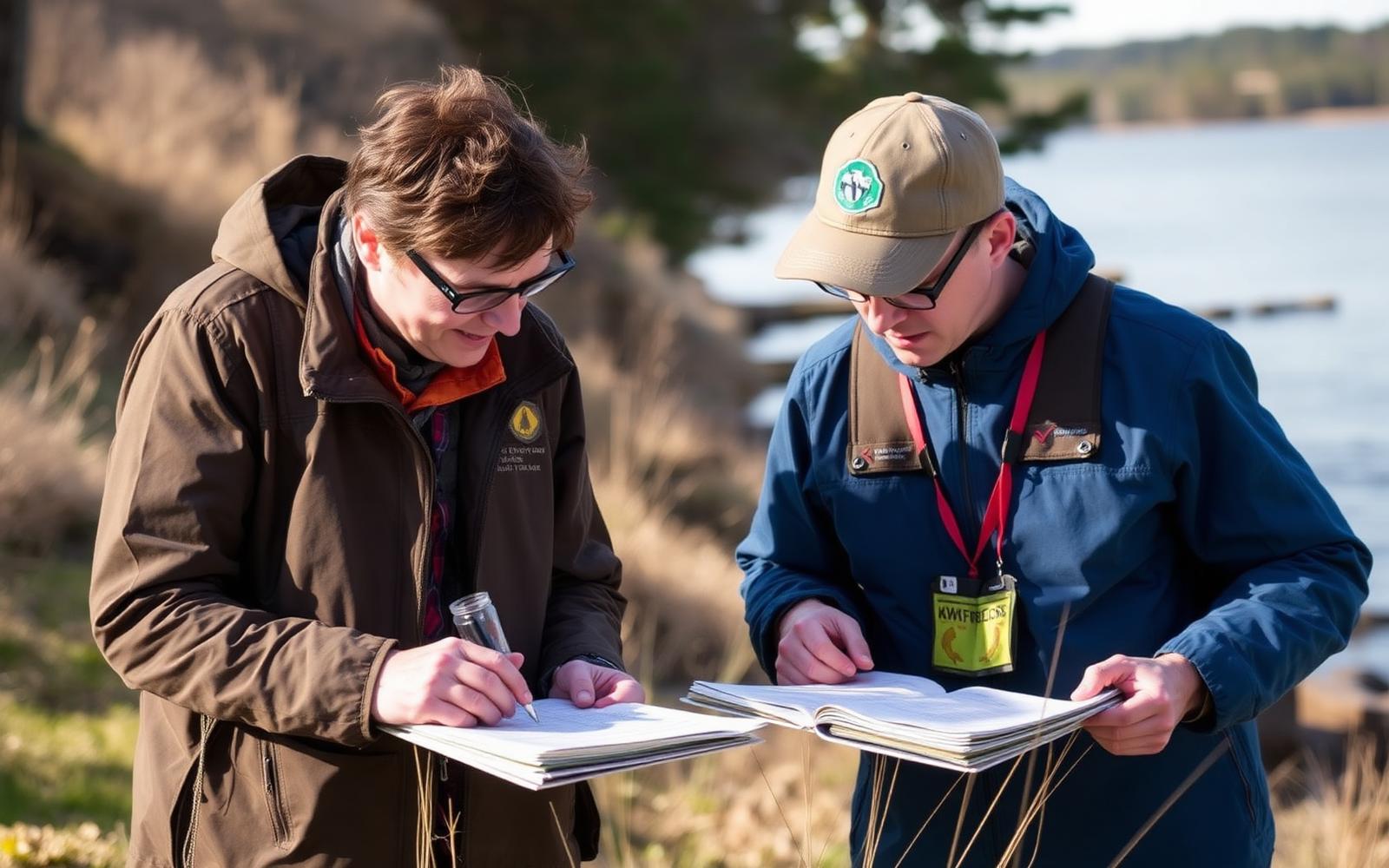
Many learners and educators have limited opportunities to connect with active research, scientists, and real-world scientific discovery. The science is happening; the pathway between that work and the people who could learn from it is missing.
How can complex scientific knowledge be transformed into meaningful learning experiences that inspire understanding and application?
The design approach
How the work came together.
The same simple rhythm I bring to every project: listen, design, build, and refine.
- 01
Listen
Talked with educators about what they actually needed — current, credible science they could use with learners, and access to the people doing the work — and spent time learning from the scientists themselves.
- 02
Design
Worked with scientists and researchers to pull out the essential ideas, then shaped each program around preparation, active participation, and classroom application.
- 03
Build
Created the sessions, field experiences, guides, prompts, and follow-up activities — built around real interaction with experts rather than passive listening.
- 04
Refine
Gathered participant and partner feedback after each cycle, then improved structure, pacing, and resources so the next delivery worked better than the last.
In practice, that means:
- Identifies learner needs through audience and context analysis
- Defines clear, observable learning outcomes for every program
- Collaborates with subject matter experts — scientists, researchers, field professionals
- Translates complex technical information into accessible language
- Designs engaging digital and experiential learning experiences
- Reflects, evaluates, and improves each program cycle
Program one
Field Notes: Explorer
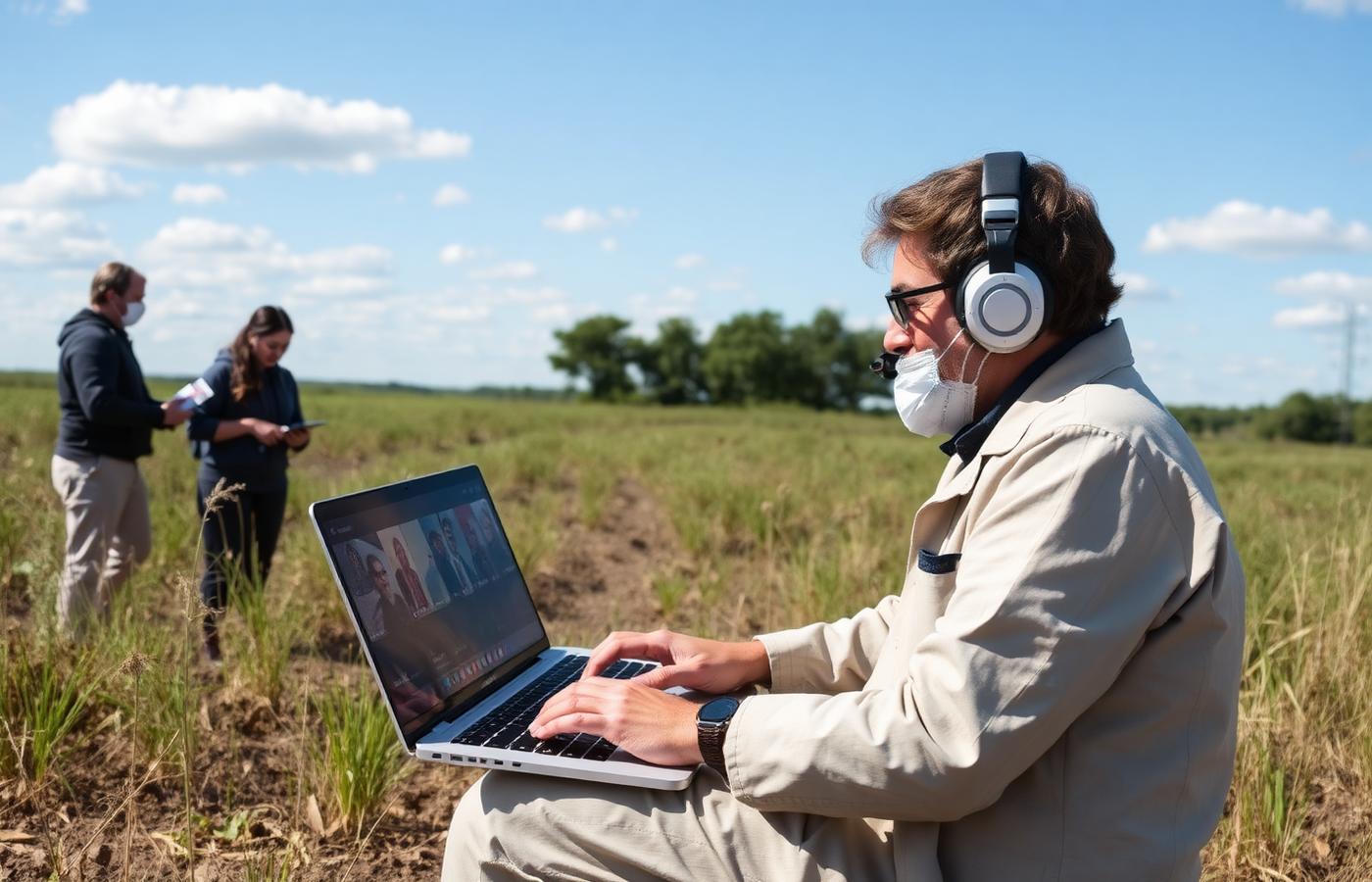
A virtual learning experience connecting educators and students with active field scientists, researchers, and conservation professionals — bringing current science and research directly into learning environments.
SME collaboration
Worked directly with active scientists and conservation professionals to shape what each session would teach, structuring their expertise into a learning experience rather than a presentation.
Science communication
Translated current research into language and framing educators and learners could use, protecting accuracy while removing the jargon that blocks understanding.
Virtual learning design
Designed the digital experience deliberately — pacing, interaction points, guided observation, and question structures built for a remote audience.
Learner engagement
Every session gave participants something to do: observe, predict, question, and connect the science to their own context.
Knowledge translation
Turned field research into clear takeaways learners could apply, with the essential ideas surfaced before the detail.
Supporting learning resources
Reusable guides, prompts, and follow-up activities so the learning continued after the session and could be delivered again without redesign.
Program two
Educator Expeditions
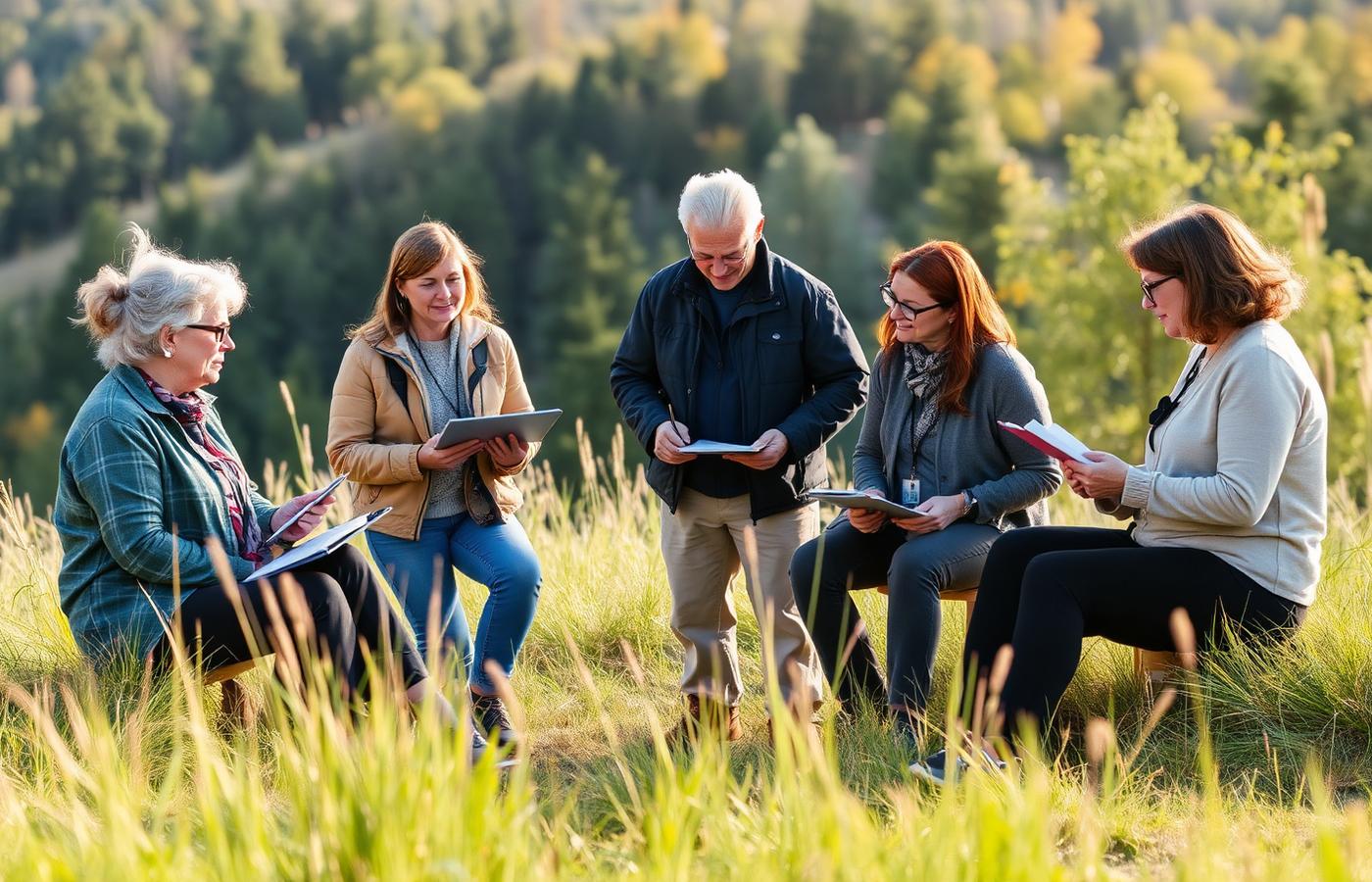
Immersive professional learning experiences connecting educators with scientists, researchers, communities, and field-based learning environments — professional learning designed around authentic science and discovery.
Experiential learning design
Structured professional learning around authentic scientific work — observation, inquiry, and practice in the environment where the science happens.
Professional development
Designed for educators as adult learners: clear outcomes, relevance to their own practice, and time to plan what they would use.
Place-based learning
Used real landscapes, research sites, and communities as the instructional context, so concepts were encountered rather than described.
Partnership management
Coordinated scientists, community partners, and host organizations so each partner's goals were met by the same learning design.
Reflection and application
Built in structured reflection and planning so participants left with something they would actually implement.
Evidence
Learning design skills demonstrated.
Odyssey Discovery is not a separate venture — it is where the full instructional design process has already been performed end to end.
- Learning experience design
- Audience analysis
- Learning objective development
- SME collaboration
- Curriculum development
- Science communication
- Professional development design
- Digital learning design
- Experiential learning
- Stakeholder management
- Program evaluation
Designed to scale
Learning systems, not individual events.
Every program was designed to be repeatable: structures, resources, and partnerships that continue to work without redesigning from scratch each time.
Learning models
Repeatable program structures that hold up across topics, experts, and audiences.
Programs and frameworks
Field Notes: Explorer and Educator Expeditions are designed as models, not one-time events.
Digital experiences
Virtual formats designed for reach, so access does not depend on physical presence.
Partnerships
Expert and organizational partnerships that let the programs run without a single point of dependence.
Reusable learning resources
Guides, prompts, and materials designed for reuse and adaptation by other facilitators.
Why it matters